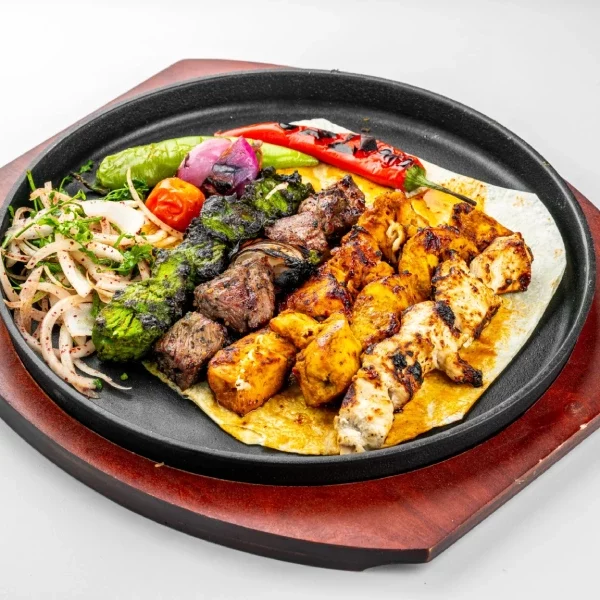
mix grill blog

Top 7 Grilled Meat Dishes You Need to Try in Qatar

Qatar’s food scene is a paradise for grilled-meat lovers. Influenced by Arabic, Levantine, Turkish, and South Asian cuisines, the country offers an incredible variety of smoky, spice-packed grills that are cooked to perfection. Whether you’re dining at a traditional restaurant or a modern grill house, these are the top grilled meat dishes you absolutely need to try in Qatar.

1. Mixed Grill (Mashawi)

The mixed grill is the ultimate introduction to Middle Eastern barbecue. Usually served as a generous platter, it includes a variety of meats such as kebabs, chicken tikka, lamb chops, and kofta. Grilled over charcoal and served with hummus, garlic sauce, and warm Arabic bread, it’s perfect for sharing and sampling multiple flavors in one meal.

2. Shawarma (Grilled Style)

While shawarma is often known as street food, the grilled version takes it to another level. Marinated chicken or beef is slow-grilled on a rotating spit, then freshly shaved and served with garlic sauce, pickles, and flatbread. The smoky aroma and juicy texture make it a must-try for both locals and visitors.

3. Lamb Chops

Lamb chops are a premium favorite across Qatar’s grill menus. Marinated with Middle Eastern spices, garlic, and herbs, they are grilled until tender and slightly charred on the outside. The result is rich, flavorful meat that pairs perfectly with grilled vegetables or rice.

4. Chicken Tikka

Chicken tikka is a popular grilled dish influenced by South Asian flavors. Boneless chicken pieces are marinated in yogurt, spices, and herbs, then grilled until juicy with a light smoky crust. It’s flavorful without being overpowering, making it a crowd favorite.

5. Beef Kebab

Beef kebabs are made from seasoned minced or cubed beef, skewered and grilled over open flames. The spices enhance the natural flavor of the meat, while the charcoal grilling adds depth and smokiness. Served with bread and dips, this dish is a staple of Qatar’s grilled cuisine.

6. Kofta Kebab

Kofta kebab is made from minced meat mixed with onions, parsley, and aromatic spices. Grilled until perfectly cooked, it’s juicy, savory, and incredibly satisfying. Kofta is often enjoyed wrapped in bread with tahini or garlic sauce.

7. Grilled Whole Chicken (Charcoal Chicken)

Charcoal-grilled whole chicken is marinated for hours to lock in flavor, then grilled slowly to achieve crispy skin and tender meat. This dish is popular for family meals and is often served with rice, fries, or fresh salad.

Final Bite

From smoky lamb chops to juicy kebabs, Qatar’s grilled meat culture offers something for every meat lover. Each dish reflects a blend of tradition, spices, and expert grilling techniques that make dining here unforgettable.

Al Miqat Restaurant is known for serving some of the best grilled meats in Qatar, prepared with authentic flavors and premium ingredients.
If you’re craving perfectly grilled meat dishes, Al Miqat Restaurant is a place you won’t want to miss.

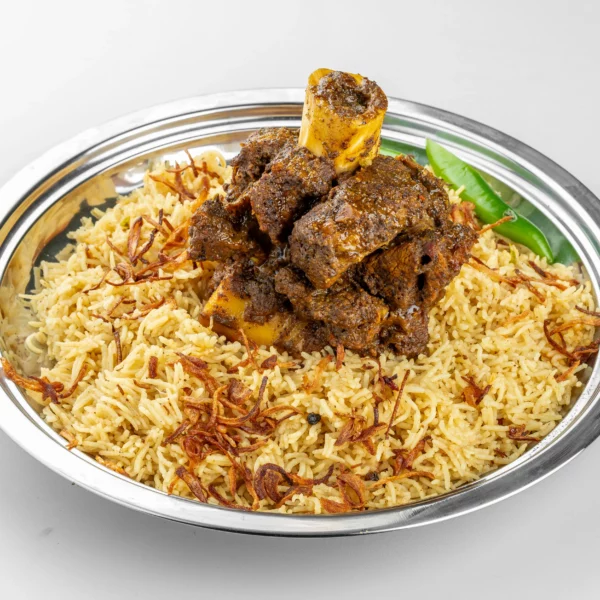
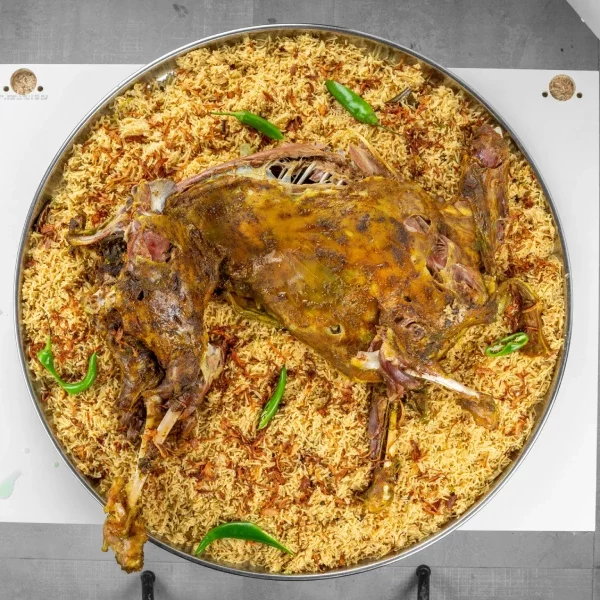
Mutton Mandhi Leg

Arabian Cuisine during Ramadan: Iftar Dishes You Shouldn’t Miss

Ramadan is a sacred month of reflection, generosity, and togetherness—and Iftar, the meal that breaks the fast at sunset, is one of its most cherished moments. Across the Arab world, Iftar is not just about food; it’s about tradition, hospitality, and sharing blessings with family and friends. Arabian cuisine truly shines during Ramadan, offering rich flavors, comforting dishes, and time-honored recipes passed down through generations.

If you’re in Qatar this Ramadan, here are the must-try Arabian Iftar dishes you simply shouldn’t miss.

The Traditional Iftar Beginning: Dates & Drinks

Iftar traditionally begins with dates, following the Sunnah, as they provide a quick and natural energy boost after a long day of fasting. Dates are often paired with refreshing drinks like Jallab, Qamar Al-Deen (apricot juice), or Tamarind juice, helping to rehydrate the body gently and prepare it for the meal ahead.

Comforting Ramadan Soups

Soups play an essential role in Arabian Iftar, offering warmth and nourishment.

Lentil Soup (Shorbat Adas) is a Ramadan favorite—simple, hearty, and packed with protein.
Chicken or Lamb Soup infused with Arabic spices is also widely enjoyed, helping the stomach ease back into digestion after fasting.

Popular Iftar Starters & Appetizers

No Arabian Iftar table is complete without an array of flavorful starters:

  • Samosas filled with spiced meat, cheese, or vegetables
  • Falafel, crispy on the outside and soft inside
  • Hummus, Moutabel, and Fattoush, offering fresh and creamy contrasts

These appetizers are perfect for sharing and set the tone for the main feast.

Signature Arabian Main Dishes

The heart of Iftar lies in its rich and aromatic main courses:

Mandi & Kabsa – Fragrant rice dishes cooked with slow-roasted chicken or lamb, infused with spices like cardamom and cloves.
Machboos – A Gulf classic known for its deep flavors and tender meat.
Mixed Grills – Juicy kebabs, kofta, and grilled chicken, ideal for family-style dining.

These dishes reflect the generosity and abundance associated with Ramadan evenings.

Sweet Endings: Traditional Ramadan Desserts

Desserts are an essential part of Iftar, offering comfort and celebration after a fulfilling meal.

Kunafa with its crispy layers and melted cheese is a Ramadan icon.
Luqaimat, golden dumplings drizzled with date syrup, are light yet indulgent.
Baklava, rich with nuts and honey, completes the experience with a touch of sweetness.

The True Spirit of Arabian Iftar

What makes Arabian Iftar special is not just the food, but the experience—long tables, shared plates, warm conversations, and the spirit of giving. Each dish tells a story of culture, faith, and community, making Ramadan evenings truly unforgettable.

To experience authentic flavors this Ramadan, Al Miqat Restaurant provides the best Arabian cuisine in Doha during Ramadan Iftar.
Enjoy traditional dishes, rich flavors, and a warm Ramadan ambiance that brings the true spirit of Iftar to your table.

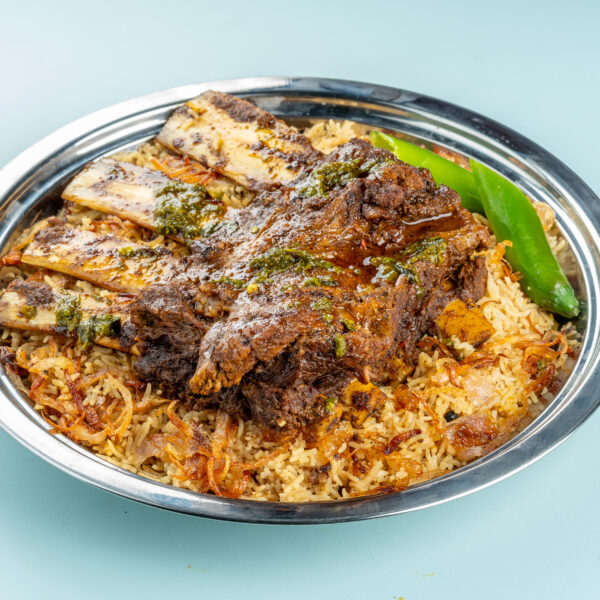
Beef Mandhi Leg

Why Mandi Is More Than Just a Meal – A True Arabian Dining Experience

In the heart of Arabian cuisine lies a dish that represents tradition, hospitality, and rich flavor— Mandi. More than just rice and meat, Mandi is a centuries-old culinary art that brings people together. In Qatar, Mandi continues to be a favorite choice for families, gatherings, and anyone seeking an authentic Middle Eastern dining experience.

The Origins of Mandi

Mandi originated in Yemen and quickly spread across the Arabian Peninsula. Traditionally cooked in underground ovens, the slow-cooking process allows meat to become incredibly tender while infusing the rice with smoky aromas and natural juices.

This method reflects the Bedouin lifestyle—simple ingredients, cooked with patience and care.

What Makes Mandi Unique

Unlike heavily spiced rice dishes, Mandi is known for its balanced and aromatic flavors.
Key characteristics include:

  • Long-grain rice infused with gentle spices
  • Meat slow-cooked to perfection
  • Minimal oil, allowing natural flavors to shine
  • A subtle smoky aroma that defines the dish

This simplicity is what makes Mandi timeless and universally loved.

Why Mandi Is Perfect for Group Dining

Mandi is traditionally served on large platters, making it ideal for sharing. Whether it’s a family dinner or a social gathering, Mandi encourages connection and conversation—an essential part of Middle Eastern culture.

Final Thoughts

Mandi is not just food—it’s an experience rooted in tradition and hospitality. Every bite tells a story of heritage, patience, and flavor.

Al Miqat Mandi & Grill Izgawa proudly serves authentic Mandi prepared using traditional techniques. From tender meat to fragrant rice, every dish reflects the true taste of Arabian cuisine in Doha.

Mutton Mandhi Leg

Mandi or Grills? Choosing the Perfect Dish for Every Craving

When visiting an Arabic restaurant for the first time, one question often comes to mind:
Should I go for Mandi or grilled dishes?
Both are iconic, flavorful, and deeply rooted in Middle Eastern cuisine—but each offers a unique dining experience.

This guide will help you choose the perfect dish based on your taste, mood, and appetite.

Mandi: Aromatic, Comforting, and Traditional

Mandi is the ideal choice if you enjoy:

  • Mild yet aromatic spices
  • Soft, slow-cooked meat
  • Fluffy rice infused with natural flavors
  • A comforting, traditional meal

It’s perfect for those who appreciate subtle flavors and classic Arabian cooking.

Grilled Dishes: Smoky, Bold, and Flavorful

Grilled dishes are ideal if you prefer:

  • Charred, smoky flavors
  • Juicy kebabs and skewers
  • A more intense seasoning profile
  • A lighter rice or bread-based meal

Grills are often paired with sauces and salads, making them vibrant and satisfying.

When to Choose Mandi

  • Family meals and group dining
  • When you want a filling, traditional dish
  • If you prefer less spicy food

When to Choose Grills

  • Quick lunches or casual dining
  • If you love smoky, flame-grilled flavors
  • When you want variety in one platter

Best of Both Worlds

Can’t decide? Many diners enjoy combining both—sharing a Mandi platter while adding a mixed grill on the side for variety.

Final Thoughts

Whether you choose Mandi or grills, Arabian cuisine offers depth, warmth, and unforgettable flavor. The right choice depends on your craving—but either way, you’re in for a satisfying meal.

At Al Miqat Mandi & Grill Izgawa, we specialize in both authentic Mandi and sizzling grilled dishes. Visit us to enjoy expertly crafted Arabic flavors that cater to every taste.

mix grill blog

Traditional Arabian Dishes in Doha: A Celebration of Heritage and Flavour

Doha’s food culture is a reflection of its vibrant traditions — where every meal tells a story of family, hospitality, and timeless taste. Among the city’s culinary treasures, few experiences are as memorable as enjoying traditional Arabian dishes. From fragrant rice to smoky grilled meats and rich desserts, these dishes capture the heart and soul of the Middle East.

A Glimpse Into Arabian Culinary Heritage

Arabian cooking is built on the values of generosity and togetherness. Meals are crafted from simple, wholesome ingredients — rice, meat, spices, and herbs — prepared with skill and care passed down through generations. Each dish celebrates the spirit of sharing and the deep-rooted hospitality that defines life across the Gulf.

Mandi – The Icon of Arabian Tradition

When talking about traditional Arabian dishes in Doha, few can rival the popularity of Mandi. Originating from Yemen, Mandi has become a regional favorite for its tender slow-cooked meat and perfectly spiced rice. Cooked in a traditional underground oven, it carries a signature smoky aroma that makes it irresistible.

Served on large platters, Mandi embodies the essence of Arabian dining — communal, flavorful, and comforting.

Kabsa, Madfoon & Majboos – Regional Favourites

Across Doha, you’ll find restaurants serving classic Arabian rice dishes that vary by region but share the same comforting appeal:

  • Kabsa – A colorful mix of rice, meat, and vegetables, seasoned with fragrant spices.
  • Madfoon – A slow-cooked delight prepared in sealed pots to lock in flavor and moisture.
  • Majboos – Qatar’s beloved national dish, featuring spiced rice and tender meat, often topped with nuts and raisins.

These dishes celebrate the warmth of Arabian culture and the art of slow cooking.

Grilled Delights and Mezze Magic

No Arabian meal is complete without grilled specialties and mezze platters. Juicy shish tawook, kofta, and mixed grills are perfectly paired with sides like hummus, fattoush, and tabbouleh. These dishes bring together smoky, fresh, and zesty flavours that define the Middle Eastern table.

Where to Enjoy Traditional Arabian Dishes in Doha

For those who wish to experience genuine traditional Arabian dishes in Doha, Al Miqat Restaurant in Izghawa, Qatar, is the perfect destination. Renowned for its Traditional Mandi, Grilled Delights, and Middle Eastern favourites, Al Miqat brings authentic regional flavours to life in a welcoming setting.

Whether you’re dining with family or friends, Al Miqat offers an experience that blends heritage, hospitality, and unforgettable taste — making it one of Doha’s standout spots for lovers of traditional food.

📍 Location: Izghawa, Qatar 🍽️ Specialties: Traditional Mandi, Grilled Delights, and Middle Eastern Dishes

mutton full mandhi blog

Arabic Cuisine in Doha: A Journey Through Tradition and Taste

Doha is a city where cultures meet, and food tells the story of the region’s rich heritage. Among the city’s diverse dining experiences, Arabic cuisine in Doha stands out for its warmth, authenticity, and timeless appeal. From the irresistible aroma of Mandi rice to the sizzling grills and fresh mezze platters, Arabic food continues to captivate locals and visitors alike.

The Heart of Arabic Cuisine

At its core, Arabic cuisine is a celebration of community and tradition. Meals are designed to be shared, reflecting the values of generosity and hospitality deeply rooted in Arabian culture. The dishes combine fragrant spices like saffron, cardamom, and cumin with slow-cooked meats, aromatic rice, and freshly baked bread — simple ingredients elevated by centuries of culinary mastery.

Mandi: The Pride of the Arabian Table

One of the most cherished dishes representing Arabic cuisine in Doha is the Traditional Mandi. Originating in Yemen and now beloved across the Gulf, Mandi is made by slow-cooking marinated meat over hot coals or in underground ovens, allowing the flavors to infuse deeply into the rice. The result is a tender, smoky, and perfectly spiced meal that embodies the essence of Arabic comfort food.

The Allure of Grilled Arabic Dishes

Arabic grills are another cornerstone of the region’s food culture. From juicy shish tawook and kebabs to flavorful lamb chops and kofta, each dish offers a unique taste of Middle Eastern craftsmanship. The smoky aroma of the grill and the balance of spices make these dishes a true favorite among lovers of Arabic cuisine in Doha.

A Symphony of Middle Eastern Flavours

Beyond the famous Mandi and grilled dishes, Arabic cuisine offers an endless variety of mezze and side dishes — from creamy hummus and smoky baba ghanoush to crisp fattoush and fresh tabbouleh. Each bite reflects the diversity of Middle Eastern flavors that have made Arabic food a global culinary treasure.

Where to Experience the Best Arabic Cuisine in Doha

For those who wish to experience authentic Arabic cuisine in Doha, Al Miqat Restaurant in Izghawa, Qatar, is a must-visit destination. Renowned for its Traditional Mandi, Grilled Delights, and Middle Eastern specialities, Al Miqat captures the soul of Arabian cooking in every dish.

Whether you’re enjoying a hearty family meal or a casual dinner with friends, Al Miqat Restaurant offers the perfect blend of authentic taste, inviting ambiance, and true Qatari hospitality — making it one of the best spots for Arabic cuisine in Doha.

📍 Location: Izghawa, Qatar 🍽️ Specialties: Traditional Mandi, Grilled Delights, Middle Eastern Cuisine

How to Discover Your Perfect Mandi or Grilled Dish on Your First Visit

Trying Mandi or grilled dishes for the first time is an exciting experience—rich aromas, authentic spices, and a warm Arabian dining culture that makes every meal feel memorable. Whether you’re new to Middle Eastern cuisine or exploring new flavors in Qatar, choosing the right dish on your first visit can shape your entire experience.

Here’s a simple guide to help you discover the perfect Mandi or grilled plate that matches your taste, appetite, and dining style.

1. Start by Choosing Your Meat Preference

Both Mandi and grills offer multiple choices, and your first decision is simple:
Do you prefer chicken, lamb, or beef?

Chicken

  • Mild, tender, and perfect for beginners.
  • Works beautifully in both Mandi and grill platters.

Lamb

  • Rich, juicy, and aromatic.
  • Traditional choice for authentic Mandi lovers.

Beef or Mixed Grills

  • Perfect if you enjoy smoky, charred flavors.
  • Offers a variety of textures in one plate.

Pick the meat you’re naturally drawn to—this already narrows the selection.

2. Decide Between Smoky or Aromatic Flavors

Your mood matters!

Prefer something aromatic and comforting?

Go for Mandi—slow-cooked meat, fluffy rice, and gentle spices that melt into every bite.

Craving smoky and bold flavors?

Choose a grilled dish like shish tawook, kofta, kebab, or a mixed grill platter.

If you’re adventurous, pairing both—a half-Mandi and grill side—is also a great idea.

3. Consider the Level of Spice

Arabian cuisine offers both mild and bold flavors.

  • Mandi is generally mild and aromatic.
  • Grills can range from lightly seasoned to spicy depending on the marinade.

If you’re unsure, ask for mild seasoning—you can always enhance flavor with sauces on the side.

4. Think About Portion Size

Your appetite also determines the best choice.

Light eater?

  • Chicken Mandi
  • Shish tawook
  • A small mixed grill

Hungry and ready to feast?

  • Lamb Mandi
  • Full mixed grill platter
  • Mandi with extra rice and salad

Arabian dishes are generous in portion, so even a single plate can be very filling.

5. Balance It with Mezze and Sides

To get the full experience, pair your dish with sides like:

  • Arabic salad
  • Hummus
  • Moutabbal
  • Garlic sauce
  • Tabbouleh
  • Pickles

These sides enhance flavors and help you understand what you enjoy most about Middle Eastern cuisine.

6. Ask for Recommendations

Don’t hesitate to ask the staff for guidance—restaurants specializing in Mandi and grills often have signature items or customer favorites.
They can recommend dishes based on:

  • How hungry you are
  • Your spice tolerance
  • Whether you prefer juicy, smoky, or aromatic flavors

This can help you discover your ideal meal faster.

7. Try a Combo If You Can’t Decide

If you’re torn between Mandi and grills, a combo platter is the perfect solution.
Many first-time visitors enjoy:

  • Half chicken Mandi + portion of mixed grill
  • Lamb Mandi with a grilled skewer on the side
  • Mixed grill with flavored rice

It’s the easiest way to explore different flavors in one meal.

Final Thoughts

Your first experience with Mandi or grilled dishes should be flavorful, enjoyable, and memorable. By understanding your preferences and exploring a few combinations, you’ll quickly discover the dish that feels “just right” for you.

Al Miqat Mandi & Grill Izgawa invites you to explore authentic Mandi and sizzling grills crafted with traditional Arabian flavors. Visit us to discover your perfect dish and enjoy a true Middle Eastern dining experience.

Smoked Beef Mandhi

A Simple Guide to Dining Etiquette in Qatar and the Middle East

Dining in Qatar and the Middle East is more than just enjoying delicious food—it’s an expression of culture, hospitality, and tradition. Whether you’re visiting a local home, attending a business meal, or dining at an Arabic restaurant, understanding basic etiquette helps you show respect and connect meaningfully with your hosts.

Here is a simple, beginner-friendly guide to help you navigate Middle Eastern dining customs with confidence.

1. Hospitality Is at the Heart of Every Meal

In the Middle East, food is a symbol of generosity. Guests are treated with great respect, often being offered the best portions.

  • Expect your hosts to insist you eat more—it’s a sign of care.
  • It’s polite to accept at least a small portion, even if you’re not very hungry.

Hospitality is deeply cultural, so receiving it gratefully goes a long way.

2. Greeting and Seating Etiquette

Before the meal begins, it’s customary to greet everyone warmly—handshakes, smiles, and polite words create a welcoming environment.

Key points:

  • Always greet elders first.
  • Wait for the host to indicate where you should sit.
  • In some settings, especially traditional gatherings, men and women may dine separately.

3. Eating with the Right Hand

In many Middle Eastern cultures, the right hand is used for eating, especially during traditional meals served on a shared platter.

  • The right hand is considered clean and respectful.
  • Even when using cutlery, avoid passing items with your left hand.

If you’re not comfortable eating with your hands, using utensils is perfectly acceptable—just remain mindful of the custom.

4. Sharing Food the Traditional Way

Sharing is a big part of dining culture.

  • Guests often eat from a single, large platter.
  • It’s polite to take food from the section directly in front of you.
  • Avoid reaching over or mixing sections of the dish.

This style of dining reinforces community and togetherness.

5. Accepting and Offering Food

Refusing food too quickly can sometimes be seen as impolite.

  • If you want to decline more food, do so gently.
  • When offering food to others, do it with your right hand.
  • Complimenting the meal is always appreciated.

6. Slowing Down and Enjoying the Meal

Meals in Qatar and the Middle East are meant to be enjoyed slowly—not rushed.

  • Dining is a social experience, filled with conversation.
  • It’s common for meals to last longer than Western dining.
  • Take your time, relax, and engage with those around you.

7. Tea and Coffee Rituals

Arabic coffee (gahwa) and tea (karak or mint tea) often accompany or follow the meal.

Etiquette tips:

  • Accepting coffee is a sign of respect.
  • When you’ve had enough, gently shake the cup side to side before returning it.
  • Coffee is typically served to elders first.

These rituals are an important cultural experience—don’t miss them!

8. Respecting Cultural Norms

Being mindful of local customs shows awareness and respect.

  • Dress modestly in traditional household settings.
  • Avoid placing your feet directly toward others while seated on cushions or carpets.
  • Refrain from loud or disruptive behavior during meals.

Small gestures make a big difference in creating a respectful dining experience.

Final Thoughts

Dining in Qatar and the Middle East is a beautiful blend of culture, warmth, and tradition. When you understand the basic etiquette, you not only enjoy the food but also connect more deeply with the people and their heritage.

Al Miqat Mandi & Grill Izgawa welcomes you to enjoy authentic Arabian dining crafted with tradition and hospitality. Experience the true flavors of the Middle East with dishes made to delight every guest.

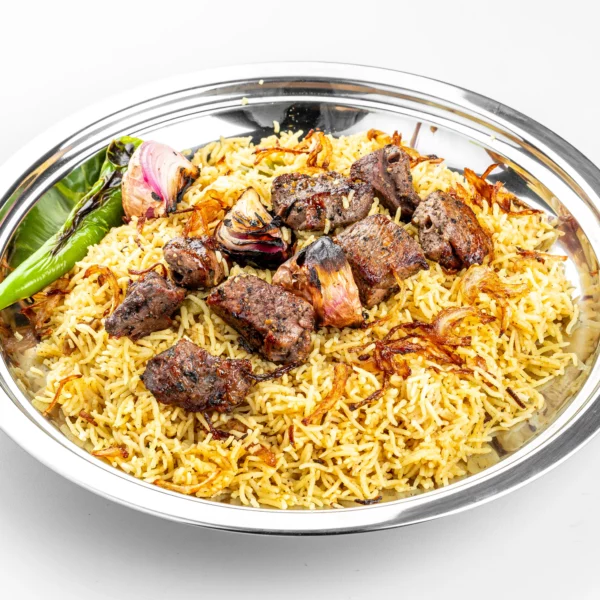
Leham Tikka Mandhi

Mandi vs. Biryani: Understanding the Key Differences in Preparation, Flavor, and Cultural Significance

Across the Middle East and South Asia, rice and meat dishes sit at the heart of traditional celebrations and everyday meals. Among the most iconic are Mandi and Biryani—two beloved dishes that share similarities in ingredients but differ greatly in preparation, seasoning, and cultural meaning.

Whether you’re a food enthusiast or simply curious about what sets these dishes apart, understanding their origins and flavors can help you appreciate each one even more.

1. Origins and Cultural Significance

Mandi – A Yemeni Treasure

Mandi originates from Yemen, particularly the Hadhramaut region. Traditionally cooked underground in a tandoor-like pit, it reflects Bedouin methods of slow-cooking meats over hot coals. Today, Mandi is celebrated across the GCC for its simplicity, aroma, and communal serving style—symbolizing hospitality and togetherness.

Biryani – A Royal Indo-Persian Legacy

Biryani is believed to have emerged from Persian roots and evolved in the kitchens of the Indian subcontinent. Rich, layered, and deeply spiced, it embodies royal Mughlai influences. Biryani holds cultural value during festivals, weddings, and major celebrations, representing opulence and culinary artistry.

2. Key Differences in Cooking Methods

How Mandi Is Prepared

Mandi is known for its traditional tannour or underground oven technique.

  • Meat is seasoned lightly with Arabian spices, then slow-cooked over charcoal, allowing natural juices to flavor the rice.
  • The rice absorbs the smokiness from the meat and fire, giving Mandi its signature aroma.
  • The cooking style prioritizes tenderness and purity of flavor.

How Biryani Is Prepared

Biryani uses a more complex, layered cooking method called dum:

  • Meat is marinated in robust spices, yogurt, and herbs.
  • Rice and meat are layered together and sealed in a pot, steam-cooked to blend flavors.
  • It relies heavily on caramelized onions, saffron, ghee, and whole spices.

The process results in bold, vibrant, multi-layered flavor profiles.

3. Differences in Spices and Flavor Profiles

Mandi Flavor Notes

Mandi features a lighter, more aromatic spice blend.
Common spices include:

  • Black lime (loomi)
  • Cardamom
  • Cloves
  • Cinnamon
  • Bay leaves

The result is a mild yet flavorful dish that highlights the quality of the meat.

Biryani Flavor Notes

Biryani is complex, bold, and often spicy.
Typical spices include:

  • Garam masala
  • Turmeric
  • Coriander
  • Cumin
  • Saffron
  • Fried onions

Each region adds its own twist—Hyderabadi, Lucknowi, Karachi, and more.

4. Texture and Visual Differences

Mandi

  • Rice grains are fluffy, separate, and lightly colored.
  • Meat is tender and usually served on top of the rice.
  • Presentation is minimalistic yet appetizing.

Biryani

  • Rice is more colorful due to spices and saffron.
  • Meat is layered inside the rice.
  • Texture varies from mildly moist to rich and oily depending on the style.

5. Cultural Experience and Eating Style

Mandi’s Communal Tradition

Mandi is often enjoyed in large platters, especially during family gatherings and social events. The sharing experience adds to its charm and cultural identity.

Biryani’s Festive Appeal

Biryani is associated with celebrations, feasts, and special occasions. Each serving feels indulgent, with layers of flavor waiting to be discovered.


Which One Should You Choose?

Choose Mandi if you prefer:

  • A lighter, smoky flavor
  • Tender meat cooked naturally
  • Aromatic rice without overwhelming spice
  • A traditional GCC-style dining experience

Choose Biryani if you enjoy:

  • Deep, bold, complex spices
  • Rich textures
  • Festive, layered dishes
  • South Asian culinary flair

Both dishes are masterpieces—each offering a unique taste of their culture and history.

Al Miqat Mandi & Grill Izgawa specializes in authentic Arabian Mandi crafted with traditional techniques and premium ingredients. Experience the true flavors of the Middle East, served with hospitality that makes every meal memorable.

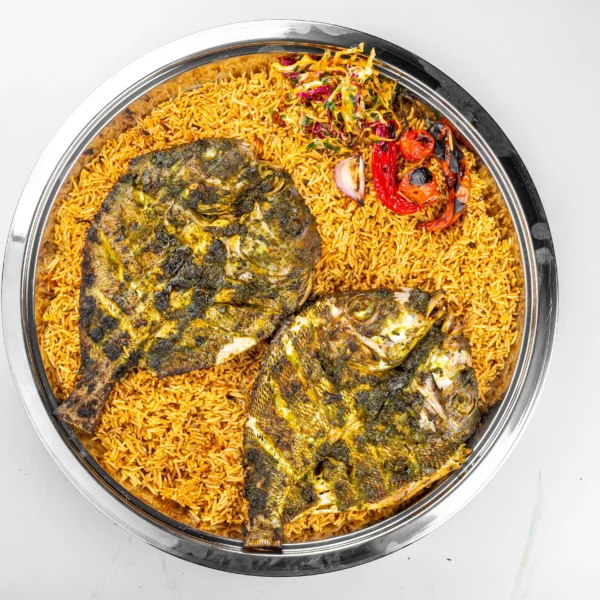
Green-Chilli-Fish-Mandhi

Healthier Feasting: Tips for Enjoying Mandi While Maintaining a Balanced Diet

Mandi is one of the most beloved dishes in Arabian cuisine—a heartwarming combination of tender meat, fragrant rice, and traditional spices. While it is naturally wholesome and flavorful, many people worry that indulging in Mandi might conflict with their health or diet goals. The good news? You can absolutely enjoy Mandi without compromising your balanced lifestyle.

With thoughtful choices and simple adjustments, Mandi can be part of a nutritious, satisfying, and guilt-free meal. Here’s how to enjoy this delicious dish while keeping your health in check.

1. Choose Leaner Cuts of Meat

Mandi traditionally uses lamb or chicken. To make your meal lighter:

  • Opt for chicken Mandi, especially breast pieces.
  • If choosing lamb, pick leaner cuts and remove excess fat.
  • Prefer grilled or roasted variations instead of heavy marinades or added oils.

Leaner proteins support muscle health while keeping calories in check.

2. Control Your Portion of Rice

Arabian rice dishes are incredibly aromatic, but portion control is key.

Balance your plate by:

  • Filling half the plate with salad or vegetables,
  • Keeping rice to one cup for a healthier serving,
  • Adding extra protein to increase satiety.

Savor the flavors without overeating by slowing down and enjoying each bite.

3. Load Up on Fresh Mezze & Salads

Pairing your Mandi with fresh sides helps you stay full without adding unnecessary calories.

Healthy companions include:

  • Arabic salad
  • Tabbouleh
  • Fattoush
  • Cucumber yogurt (raita)

These add fiber, vitamins, and crunch—helping balance the richness of the rice and meat.

4. Go Easy on Sauces

While garlic sauce, tahini, and other creamy dips are delicious, they can add extra calories quickly.

Try healthier alternatives:

  • Use small portions of garlic sauce,
  • Choose yogurt-based dips,
  • Avoid heavy, oil-rich toppings.

A little goes a long way!

5. Hydrate Smartly

Skip sugary drinks during your meal to maintain energy levels and avoid excess sugar.

Better choices include:

  • Water with lemon
  • Mint lemonade (low sugar)
  • Sparkling water
  • Unsweetened iced tea

Staying hydrated also helps with digestion, especially when enjoying heavier dishes.

6. Share When Possible

If you’re dining in a group, consider sharing larger portions. Mandi platters are often generous—perfect for multiple people.

Sharing not only prevents overeating but also enhances the communal dining experience central to Arabian culture.

7. Practice Mindful Eating

Enjoy Mandi the way it’s meant to be enjoyed—slowly and thoughtfully.

  • Put your fork down between bites,
  • Appreciate the aroma and spices,
  • Recognize when you’re comfortably full rather than overly full.

Mindful eating helps you enjoy your meal more while naturally reducing calorie intake.

8. Stay Active After Your Meal

A light walk after eating helps digestion and keeps you energized. It’s a simple and effective way to balance a hearty meal like Mandi.

Final Thoughts

A balanced diet doesn’t mean giving up your favorite foods. With mindful portions, healthier add-ons, and sensible choices, Mandi can easily fit into your wellness goals. It’s all about approaching every meal with awareness, moderation, and enjoyment.

Al Miqat Mandi & Grill Izgawa prepares authentic, flavorful Mandi using quality ingredients—perfect for a wholesome and satisfying meal. Enjoy traditional Arabic cuisine crafted with care for every lifestyle.