

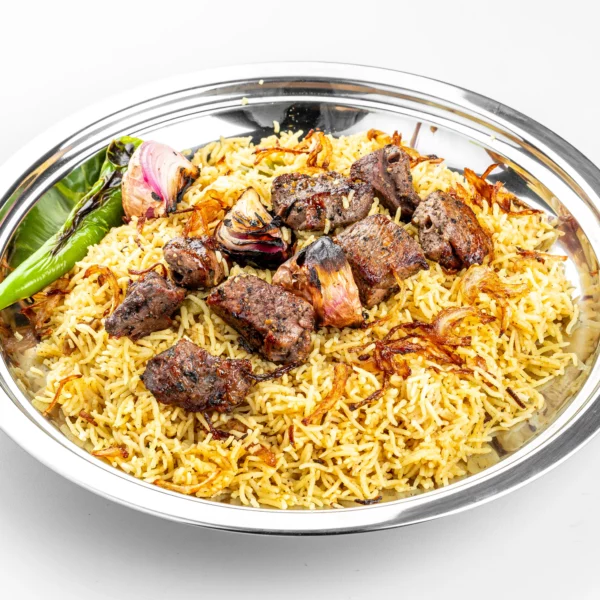
Mandi vs. Biryani: Understanding the Key Differences in Preparation, Flavor, and Cultural Significance

Across the Middle East and South Asia, rice and meat dishes sit at the heart of traditional celebrations and everyday meals. Among the most iconic are Mandi and Biryani—two beloved dishes that share similarities in ingredients but differ greatly in preparation, seasoning, and cultural meaning.
Whether you’re a food enthusiast or simply curious about what sets these dishes apart, understanding their origins and flavors can help you appreciate each one even more.
1. Origins and Cultural Significance
Mandi – A Yemeni Treasure
Mandi originates from Yemen, particularly the Hadhramaut region. Traditionally cooked underground in a tandoor-like pit, it reflects Bedouin methods of slow-cooking meats over hot coals. Today, Mandi is celebrated across the GCC for its simplicity, aroma, and communal serving style—symbolizing hospitality and togetherness.
Biryani – A Royal Indo-Persian Legacy
Biryani is believed to have emerged from Persian roots and evolved in the kitchens of the Indian subcontinent. Rich, layered, and deeply spiced, it embodies royal Mughlai influences. Biryani holds cultural value during festivals, weddings, and major celebrations, representing opulence and culinary artistry.
2. Key Differences in Cooking Methods
How Mandi Is Prepared
Mandi is known for its traditional tannour or underground oven technique.
- Meat is seasoned lightly with Arabian spices, then slow-cooked over charcoal, allowing natural juices to flavor the rice.
- The rice absorbs the smokiness from the meat and fire, giving Mandi its signature aroma.
- The cooking style prioritizes tenderness and purity of flavor.
How Biryani Is Prepared
Biryani uses a more complex, layered cooking method called dum:
- Meat is marinated in robust spices, yogurt, and herbs.
- Rice and meat are layered together and sealed in a pot, steam-cooked to blend flavors.
- It relies heavily on caramelized onions, saffron, ghee, and whole spices.
The process results in bold, vibrant, multi-layered flavor profiles.
3. Differences in Spices and Flavor Profiles
Mandi Flavor Notes
Mandi features a lighter, more aromatic spice blend.
Common spices include:
- Black lime (loomi)
- Cardamom
- Cloves
- Cinnamon
- Bay leaves
The result is a mild yet flavorful dish that highlights the quality of the meat.
Biryani Flavor Notes
Biryani is complex, bold, and often spicy.
Typical spices include:
- Garam masala
- Turmeric
- Coriander
- Cumin
- Saffron
- Fried onions
Each region adds its own twist—Hyderabadi, Lucknowi, Karachi, and more.
4. Texture and Visual Differences
Mandi
- Rice grains are fluffy, separate, and lightly colored.
- Meat is tender and usually served on top of the rice.
- Presentation is minimalistic yet appetizing.
Biryani
- Rice is more colorful due to spices and saffron.
- Meat is layered inside the rice.
- Texture varies from mildly moist to rich and oily depending on the style.
5. Cultural Experience and Eating Style
Mandi’s Communal Tradition
Mandi is often enjoyed in large platters, especially during family gatherings and social events. The sharing experience adds to its charm and cultural identity.
Biryani’s Festive Appeal
Biryani is associated with celebrations, feasts, and special occasions. Each serving feels indulgent, with layers of flavor waiting to be discovered.
Which One Should You Choose?
Choose Mandi if you prefer:
- A lighter, smoky flavor
- Tender meat cooked naturally
- Aromatic rice without overwhelming spice
- A traditional GCC-style dining experience
Choose Biryani if you enjoy:
- Deep, bold, complex spices
- Rich textures
- Festive, layered dishes
- South Asian culinary flair
Both dishes are masterpieces—each offering a unique taste of their culture and history.